

You can't avoid it. Every winter drive in Michigan means your vehicle picks up road salt, and every time you park in your garage, that salt ends up on your floor. It seems harmless enough—until you see the damage it causes.
Here's what's happening to your concrete right now.
Road salt is hygroscopic, meaning it attracts and holds moisture. When salt sits on your garage floor, it pulls in water and keeps the concrete damp far longer than normal. That moisture seeps into the concrete's pores, and when temperatures drop overnight, it freezes. Frozen water expands, creating tiny cracks. The next day it thaws, and the cycle repeats.
This freeze-thaw cycle is what causes spalling—that flaky, pitted surface you see on older garage floors. Once it starts, it only gets worse each winter. The salt also chemically reacts with concrete, accelerating deterioration even further.
So what's the solution?
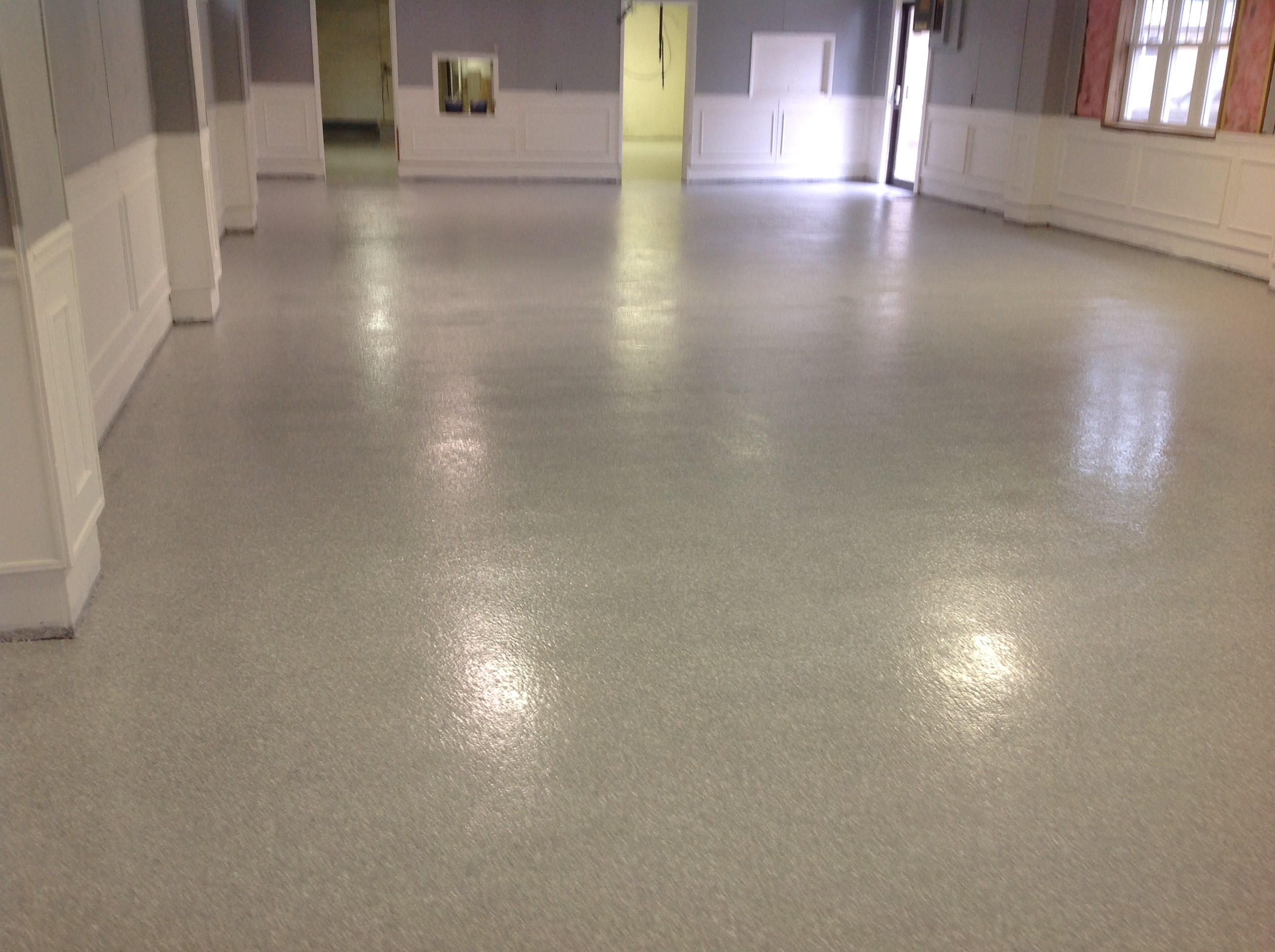
A professional concrete coating creates a seamless, non-porous barrier that salt and moisture simply can't penetrate. Instead of soaking into your concrete, salty slush sits on top where you can easily sweep or mop it away. The concrete underneath stays dry and protected.
Our polyaspartic and epoxy coatings are specifically formulated to resist road salt, deicing chemicals, and the temperature swings that come with Michigan winters. And unlike bare concrete, a coated floor actually looks better with age—not worse.
If your garage floor is already showing signs of salt damage, don't wait another winter. Contact us for a free estimate and let's stop the damage before it spreads.

.svg)
