

Your garage floor has been working hard all winter—salt, snow, ice melt, and freezing temperatures take their toll. But how do you know when the damage has crossed the line from cosmetic to serious? Here are five signs your floor needs attention before next winter.
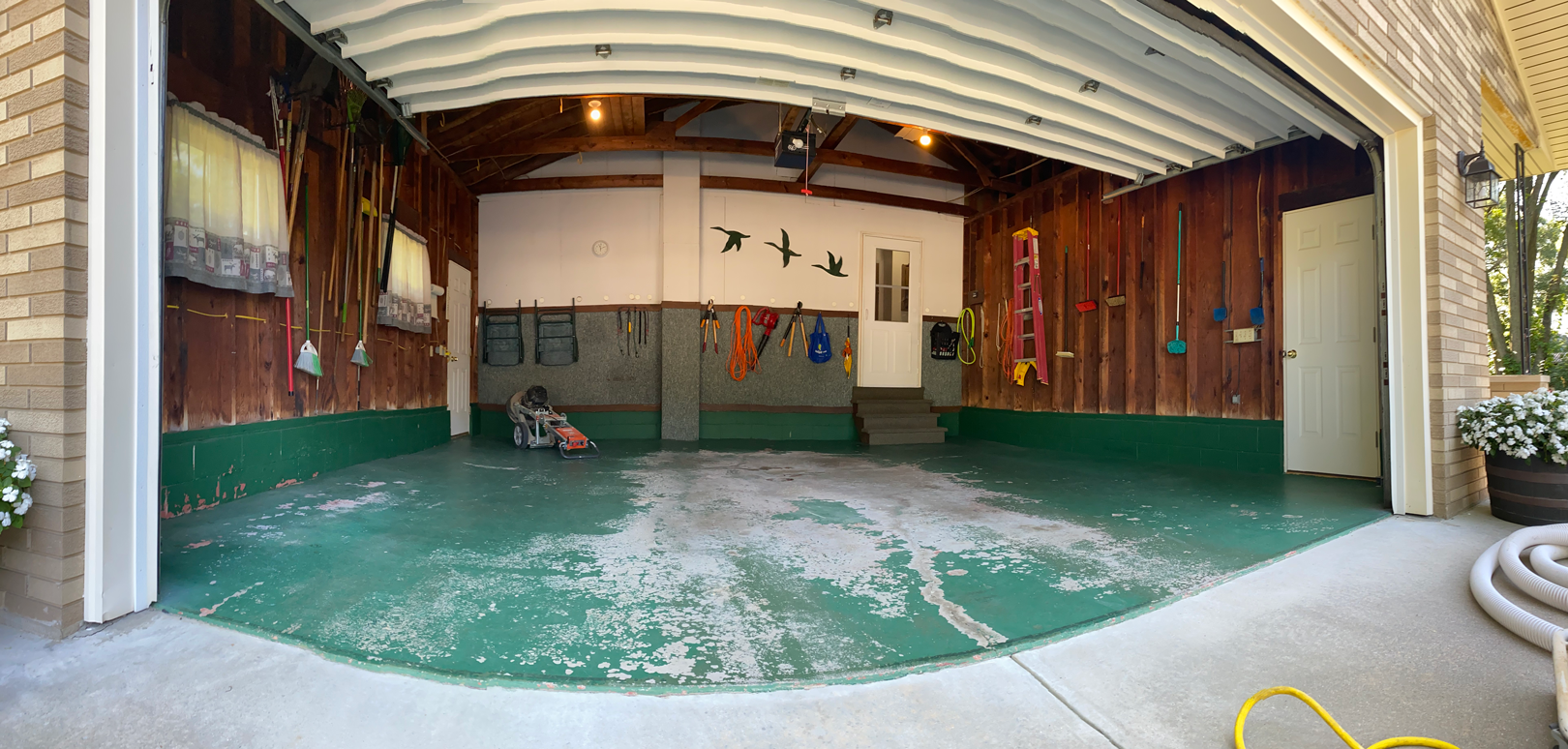
Pitting and flaking on the surface. If you see small craters or areas where the top layer of concrete is chipping away, that's spalling. It's caused by the freeze-thaw cycle and salt exposure, and it only gets worse over time. What starts as minor pitting can become major structural damage.
Cracks that are spreading. Small hairline cracks are normal in concrete, but if you're noticing cracks growing longer or wider each year, moisture is getting in and expanding when it freezes. Left untreated, these cracks can compromise the entire slab.
White, powdery residue. That chalky white substance is called efflorescence—it's mineral deposits left behind when water moves through the concrete and evaporates. It's a clear sign that moisture is actively traveling through your floor.
Stains that won't come out. Oil, transmission fluid, and road chemicals soak into unprotected concrete permanently. If scrubbing doesn't help, the stains have penetrated deep into the pores. A coating would have prevented this—and can still cover existing stains.
A dusty surface that never stays clean. If your garage floor constantly sheds fine gray dust no matter how often you sweep, the concrete is deteriorating. This dust is your floor slowly wearing away.
If any of these signs sound familiar, now is the time to act. A professional concrete coating seals and protects your floor, stopping current damage and preventing future problems. Contact us for a free estimate and let's get your garage floor ready to handle whatever next winter brings.

.svg)
