Freeze-Thaw Concrete Damage in Michigan | Gordon Concrete Coatings
If you've lived in Michigan long enough, you've seen what winter does to concrete. Sidewalks crumble. Driveways pit and flake. Garage floors develop cracks that spread a little further every year. This isn't just aging—it's freeze-thaw damage, and Michigan's climate makes it nearly unavoidable for unprotected concrete.
Understanding the problem is the first step toward solving it.
How Freeze-Thaw Damage Works
Concrete looks solid, but it's actually porous. Tiny capillaries throughout the material allow water to be absorbed into the surface. In mild climates, this isn't a major issue—water enters, water evaporates, no harm done.
Michigan's winters change the equation. When absorbed water freezes, it expands by approximately nine percent. That expansion creates pressure inside the concrete, forcing the pores larger. When it thaws, more water can enter. The next freeze expands it again. Over dozens or hundreds of freeze-thaw cycles each winter, the cumulative damage becomes visible.
The first signs are usually surface scaling—the top layer flakes away, leaving a rough, pitted texture. Over time, deeper spalling occurs as larger chunks break free. Cracks form and widen as water penetrates deeper into the slab.
Road Salt Makes It Worse
Salt doesn't just melt ice—it accelerates concrete deterioration. Road salt tracked into your garage keeps the concrete surface damp longer, increasing the amount of water available to freeze. Salt also lowers the freezing point of water, which can actually increase the number of freeze-thaw cycles the concrete experiences.
Additionally, salt creates osmotic pressure that draws more water into the concrete, and certain deicing chemicals directly attack the cement paste that holds concrete together. The combination of mechanical freeze-thaw damage and chemical attack is why garage floors in salt-belt states deteriorate so much faster than those in milder climates.
Prevention Is the Only Real Solution
Once freeze-thaw damage begins, it can't be reversed—only managed. Filling cracks and patching spalled areas addresses symptoms, not the underlying cause. The concrete remains porous, water continues to enter, and damage continues.
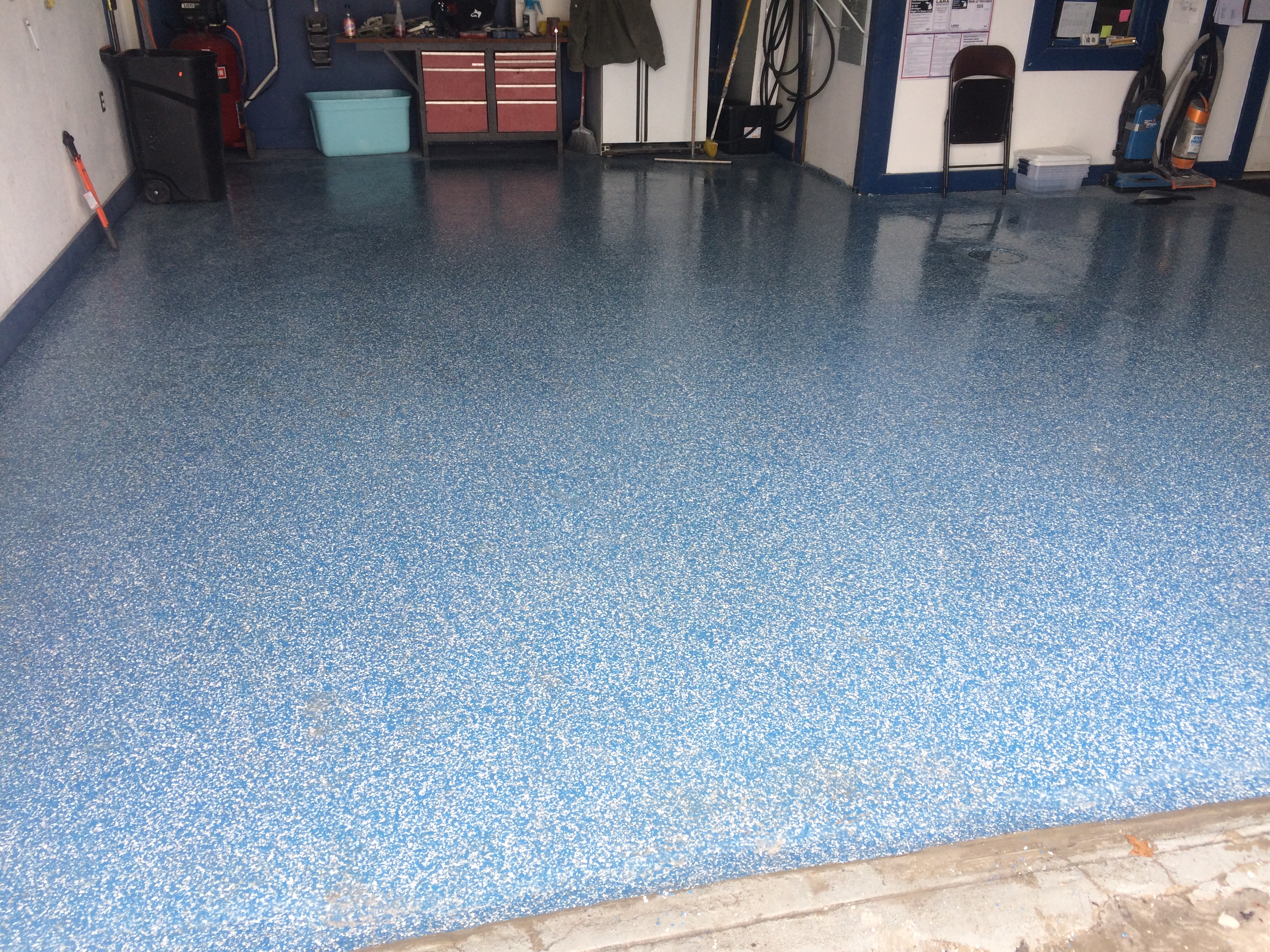
True prevention means stopping water from entering the concrete in the first place. A professional floor coating creates a seamless, non-porous barrier over the entire surface. Water, salt, and deicing chemicals stay on top where they can be swept or mopped away. The concrete underneath stays dry and protected.
Quality matters here. Thin sealers and DIY coatings may slow moisture penetration, but they don't stop it entirely and typically fail within a few years. Professional-grade epoxy and polyaspartic systems create a thick, durable barrier that lasts decades—even through Michigan's harshest winters.
When to Act
The best time to coat a garage floor is before freeze-thaw damage begins—when the concrete is still in good condition. However, it's not too late if your floor already shows some wear. Surface pitting and minor cracks can be repaired during the preparation process, and the coating will prevent further deterioration.
If damage is severe, more extensive repairs may be needed before coating, but protecting the concrete from additional damage is still worthwhile.
Don't let another Michigan winter attack your unprotected concrete. Contact us for a free assessment and estimate—we'll evaluate your floor's current condition and recommend the best path forward.

.svg)