Prevent Michigan Garage Floor Damage from Freeze-Thaw
Understanding Freeze-Thaw Cycles
Michigan, with its harsh winters and fluctuating temperatures, presents a unique challenge to homeowners, particularly when it comes to maintaining concrete surfaces like garage floors. The phenomenon known as freeze-thaw cycles plays a significant role in the deterioration of these surfaces. But what exactly are freeze-thaw cycles, and how do they affect concrete?
The Science Behind Freeze-Thaw Cycles
Freeze-thaw cycles occur when temperatures fluctuate around the freezing point of water. During the day, temperatures may rise enough for water to seep into cracks and pores in concrete. As night falls and temperatures drop, this water freezes and expands, exerting pressure on the surrounding concrete. This repeated expansion and contraction create stress within the concrete, leading to cracking, spalling, and other forms of damage over time.
Impact on Michigan Garage Floors
In Michigan, garage floors are particularly susceptible to freeze-thaw damage. The constant exposure to moisture from snow, rain, and ice, combined with regular temperature swings, sets the stage for significant wear and tear. Unprotected garage floors can quickly show signs of damage, such as surface cracking, pitting, and spalling, which not only affect the floor's appearance but also its structural integrity.
Identifying Concrete Spalling and Other Damages
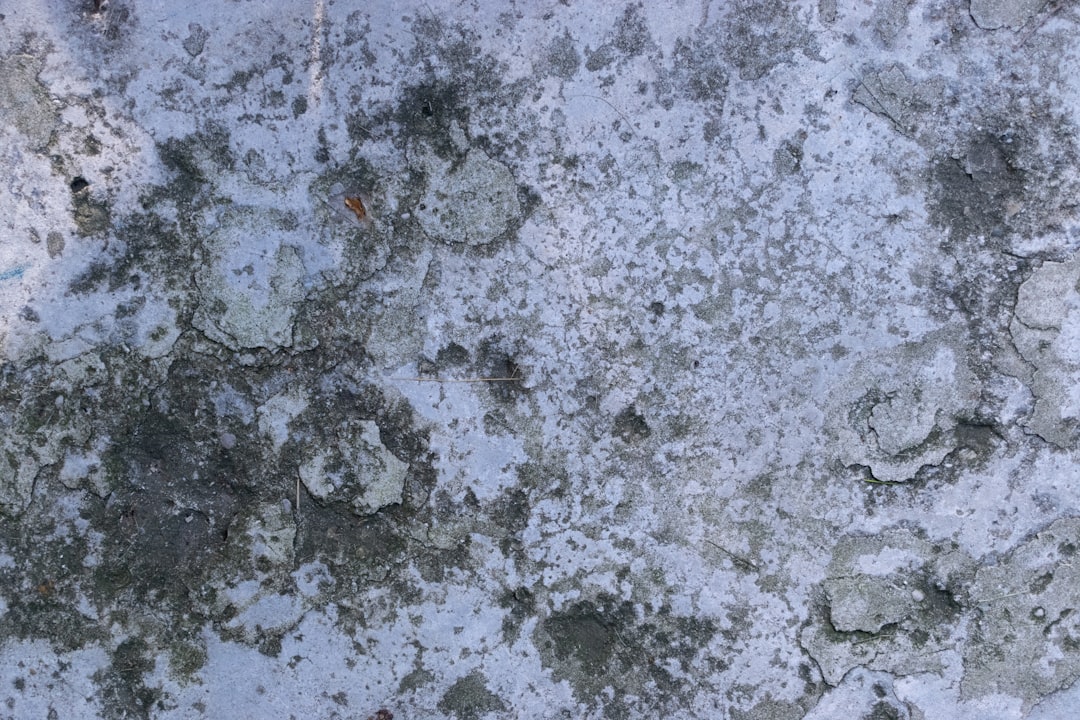
Concrete spalling is one of the most common and visible effects of freeze-thaw cycles. It refers to the flaking or chipping away of concrete surfaces, often resulting in unsightly and potentially hazardous floor conditions.
Signs of Concrete Spalling
Spalling typically manifests as small, shallow pits or deeper, more extensive areas of damage on the surface of the concrete. It often occurs in patches and can cover large areas if left unaddressed. Other signs of freeze-thaw damage include:
- Cracking: Hairline cracks may appear and widen over time as the cycles continue.
- Pitting: Small holes or depressions form on the surface, often in tandem with spalling.
- Scaling: A thin layer of concrete may peel away, leaving a rough and uneven surface.
Consequences of Ignoring Damage
Neglecting the early signs of freeze-thaw damage can lead to more severe problems. As the integrity of the concrete is compromised, it becomes more vulnerable to further deterioration. This can eventually lead to structural issues, higher repair costs, and even safety hazards within the garage.
Preventative Measures for Protecting Garage Floors
Preventing damage from freeze-thaw cycles is crucial for maintaining the longevity and functionality of garage floors. Homeowners in Michigan can take several proactive steps to protect their concrete surfaces from the harsh winter elements.
Applying Sealants and Coatings
One of the most effective ways to guard against freeze-thaw damage is by applying a high-quality sealant or coating to the concrete surface. These products create a protective barrier that minimizes water penetration and reduces the risk of damage.
Types of Sealants
- Penetrating Sealers: These sealants penetrate the concrete surface and form a chemical barrier, making the concrete water-repellent without altering its appearance.
- Acrylic Sealers: Often used for decorative purposes, acrylic sealers provide a protective coat and can enhance the concrete's appearance.
- Epoxy Coatings: Known for their durability, epoxy coatings create a thick, resilient layer on the concrete surface, offering excellent protection against moisture and wear.
Ensuring Proper Drainage
Effective drainage is essential in preventing water accumulation, which can exacerbate freeze-thaw damage. Homeowners should ensure that their garage floors are sloped correctly to direct water towards drains or out of the garage. Additionally, maintaining clean and unobstructed drainage systems can prevent water from pooling on the floor.
Regular Maintenance and Inspection
Routine maintenance is key to catching early signs of damage and addressing them before they worsen. Homeowners should regularly inspect their garage floors for cracks, spalling, or other signs of wear. Promptly filling small cracks and addressing minor issues can prevent them from developing into larger problems.
Repairing Existing Damage
Even with preventative measures, existing damage may need to be addressed to restore a garage floor's functionality and appearance. Fortunately, several repair techniques can effectively tackle freeze-thaw damage.
Concrete Spalling Repair
Repairing concrete spalling involves removing the damaged areas and filling them with a suitable repair compound. Here's a step-by-step guide:
- Clean the Surface: Remove all debris, dirt, and loose concrete from the damaged area.
- Prep the Area: Use a chisel or hammer to chip away any loose material, ensuring a solid base for the repair.
- Apply a Bonding Agent: To ensure the repair compound adheres well, apply a concrete bonding agent to the prepared surface.
- Fill the Area: Use a concrete repair mix or patching compound to fill the spalled areas, smoothing it out to match the surrounding surface.
- Cure the Repair: Allow the repair to cure according to the manufacturer's instructions, avoiding any traffic on the surface during this time.
Addressing Cracks and Pitting
For cracks and pitting, a similar repair process can be followed. Use a suitable crack filler or patching compound to fill in the damaged areas, ensuring a smooth and level finish.
Choosing Professional Help
While DIY repairs and preventative measures can be effective, there are situations where professional assistance is beneficial. Hiring a professional contractor can ensure that repairs are done to a high standard, particularly for extensive or severe damage.
Benefits of Professional Services
- Expert Assessment: Professionals can provide a thorough assessment of the damage and recommend the best course of action.
- Quality Materials: Contractors often have access to high-quality materials and tools not readily available to homeowners.
- Long-Lasting Repairs: Professionally executed repairs are more likely to withstand future freeze-thaw cycles, providing peace of mind and long-term protection.
Conclusion
In Michigan, the challenge of freeze-thaw cycles is an unavoidable reality for homeowners with concrete garage floors. Understanding how these cycles contribute to damage and implementing preventative measures can significantly extend the lifespan of these surfaces. From applying protective sealants to ensuring proper drainage and addressing existing damage, homeowners have several strategies at their disposal.
By taking a proactive approach and seeking professional help when necessary, homeowners can protect their garage floors from the harsh effects of Michigan's winters, maintaining their appearance and functionality for years to come. Ultimately, investing in these measures not only preserves the structural integrity of the concrete but also enhances the overall safety and value of the home.

.svg)