Epoxy vs Concrete: Winter Impact on Michigan Garages
Introduction
When considering the best flooring option for your garage, especially in a region like Michigan known for its harsh winters, the choice between epoxy floors and bare concrete becomes significant. The decision impacts not only the durability and appearance of your garage but also its functionality during the challenging winter months. This article explores the effects of Michigan winters on epoxy and bare concrete garage floors over a decade, helping you make an informed decision.
Understanding the Climate Impact
Michigan Winters: A Real Test
Michigan is notorious for its long, cold, and snowy winters. These conditions present unique challenges for garage floors due to constant temperature fluctuations, heavy snowfalls, and the use of de-icing salts, which can accelerate wear and tear. Understanding how these elements affect different flooring types is crucial for homeowners seeking long-lasting solutions.
The Freeze-Thaw Cycle
One of the most damaging aspects of Michigan's winter is the freeze-thaw cycle. This phenomenon occurs when water penetrates surfaces, freezes, and expands, then thaws and contracts. Repeated cycles can lead to significant damage over time, particularly in porous materials like concrete.
Epoxy Floors: A Protective Shield
What is Epoxy?
Epoxy flooring is a type of surface coating made from a mixture of polymer resins and hardening agents. When applied to concrete floors, it forms a strong, durable, and aesthetically pleasing surface that is resistant to many forms of damage.
Benefits of Epoxy in Winter
Epoxy floors are renowned for their resistance to moisture, chemicals, and temperature variations, making them an excellent choice for areas prone to harsh weather conditions like Michigan. The non-porous nature of epoxy prevents water from seeping into the surface, effectively mitigating the effects of the freeze-thaw cycle.
Durability Over a Decade
After ten years of exposure to Michigan winters, epoxy floors generally show minimal signs of wear. The protective barrier they create helps maintain the floor's integrity, preventing cracks and surface degradation. Additionally, epoxy coatings can withstand the corrosive effects of road salts, which are often carried into garages during winter.
Aesthetic and Functional Advantages
Beyond durability, epoxy floors offer a polished appearance that enhances the overall look of a garage. They are available in various colors and finishes, allowing homeowners to customize their space. Furthermore, the smooth surface makes cleaning easier, as dirt and snow can be easily swept or mopped away.
Bare Concrete: The Natural Option
The Nature of Concrete
Concrete is a popular choice for garage floors due to its strength and affordability. However, it is inherently porous, which means it can absorb moisture. This characteristic poses a risk in climates with freeze-thaw cycles, leading to potential damage over time.
The Impact of Michigan Winters
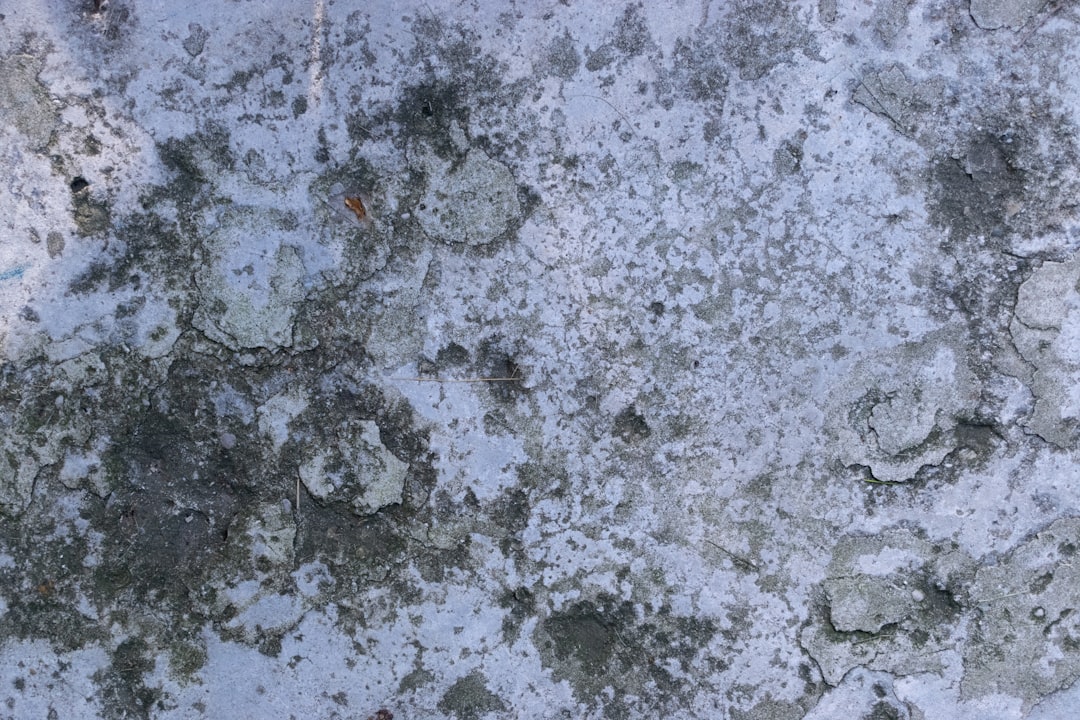
Bare concrete floors in a Michigan garage are susceptible to cracking and pitting after years of exposure to harsh winter conditions. Water seepage during freeze-thaw cycles can cause the surface to expand and contract, leading to structural weaknesses. Moreover, the de-icing salts and chemicals used on roads can further exacerbate deterioration by chemically reacting with the concrete.
Maintenance Challenges
Maintaining a bare concrete floor can be challenging, especially after several winters. Regular sealing is necessary to protect the surface, but even then, it may not fully prevent water and salt damage. Over time, homeowners may find themselves needing to repair or replace sections of the floor, which can be costly and inconvenient.
Aesthetic Considerations
While some homeowners appreciate the raw look of bare concrete, it can appear dull and uninviting compared to an epoxy-coated surface. Moreover, stains and spills are more visible and harder to clean on bare concrete, potentially affecting the overall appearance of the garage.
Cost Comparison
Initial Costs
The initial installation cost of epoxy flooring can be higher than simply leaving concrete bare. Professional application ensures the best results, as proper surface preparation and application techniques are crucial for longevity.
Long-Term Costs
While epoxy floors require a higher upfront investment, they often prove more cost-effective in the long run. The reduced need for repairs and maintenance, combined with their durability, can lead to significant savings over a decade. In contrast, the cumulative cost of maintaining and repairing bare concrete can exceed the initial savings from forgoing epoxy.
Environmental Considerations
Sustainability of Materials
Both epoxy and concrete have environmental implications. Concrete production is energy-intensive and contributes to CO2 emissions. However, epoxy is a synthetic material derived from petroleum products. Homeowners concerned about sustainability should weigh these factors when choosing a garage floor option.
Longevity and Waste Reduction
The durability of epoxy floors can contribute to waste reduction, as they require less frequent replacement compared to bare concrete. This longevity can help offset the environmental impact of producing and installing epoxy.
Conclusion
When evaluating garage floor options in the context of enduring ten Michigan winters, epoxy floors emerge as a superior choice for those seeking durability, ease of maintenance, and aesthetic appeal. While the initial cost may be higher, the long-term benefits, including protection against the harsh elements and reduced maintenance efforts, make epoxy a wise investment.
Bare concrete, while initially more economical, can lead to significant maintenance challenges and potential replacement costs over time. The impact of the freeze-thaw cycle, combined with exposure to de-icing salts, can degrade the surface, making it less practical for homeowners seeking a long-term solution.
Ultimately, the decision between epoxy and bare concrete should consider both immediate budget constraints and long-term goals, including durability, aesthetics, and environmental impact. For those living in Michigan, where winters are both a test and a testament to resilience, choosing the right garage floor can make all the difference.

.svg)